When a house sits on the market without an offer, the natural question is why.
The answer isn't always price. It may be condition, presentation, competition, or a combination of factors. The important thing is understanding what buyers are responding to—or choosing to pass over.
Your Home Is Competing With What's Available Today
Sold properties tell us what buyers have paid. Active listings tell us what buyers can choose instead of your house.
Both matter when evaluating price.
If a similar home offers a better layout, more updates, or fewer maintenance concerns for the same money, buyers have a reason to choose it.
And while what you've invested in your property matters to you, buyers are comparing what they can purchase today—not what it cost you to get there.
Condition Can Change the Conversation
An older roof, visible water damage, worn flooring, or unfinished repairs can affect how buyers evaluate a home.
Sometimes addressing those concerns before listing makes sense. Other times, pricing the property to reflect its condition is the better decision.
The question isn't whether every house needs updating. It's whether buyers see enough value to justify the asking price and any work they anticipate.
Presentation Matters Before the Showing
Most buyers first encounter a property online.
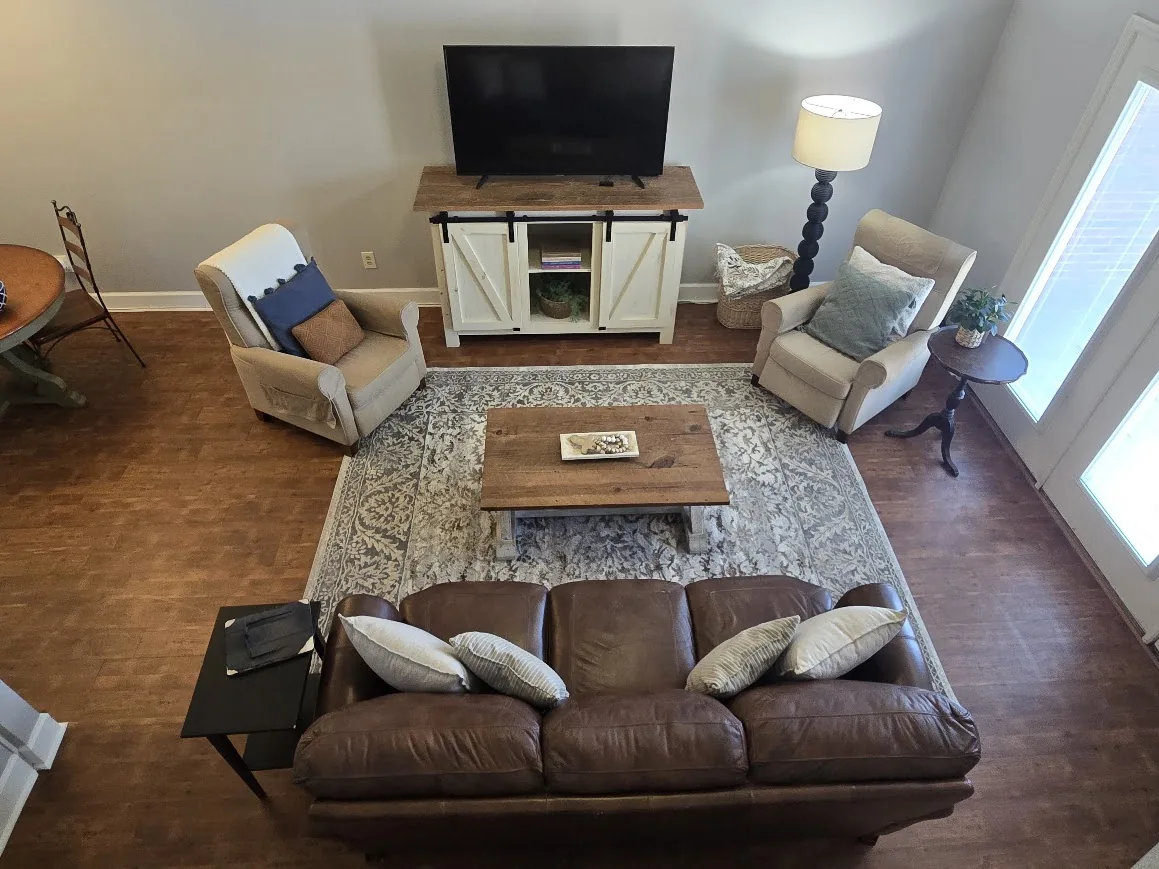
Poor lighting, clutter, crowded rooms, and unflattering photographs can make a home less appealing before someone ever schedules a showing.
Thoughtful cleaning, furniture placement, staging, and professional photography help buyers see a property's actual strengths.
Pay Attention to the Response
Listing activity can tell us a great deal.
If people are viewing the listing but not scheduling showings, we should examine the price and online presentation. If buyers are touring the property but not making offers, their feedback and the competing homes deserve a closer look.
No single metric explains everything, but patterns matter.
Buyers Want to Feel Like They're Getting a Good Deal
That doesn't mean giving the house away.
Buyers want to recognize value and feel that a seller is willing to negotiate reasonably. Sometimes an agreement comes together through flexibility on closing dates, repair negotiations, or closing-cost concessions.
Those options aren't financially interchangeable, so each should be evaluated for its actual effect on the seller's proceeds.
A successful negotiation isn't about winning every individual point. It's about reaching terms that make sense while protecting the seller's interests.
When It's Time to Reevaluate
If a property isn't attracting meaningful interest, waiting longer isn't necessarily a strategy.
We need to look honestly at the price, competition, condition, and presentation—and determine what, if anything, should change.
Those conversations aren't always easy, but sellers deserve an assessment based on what the market is telling us, not simply what they want to hear.